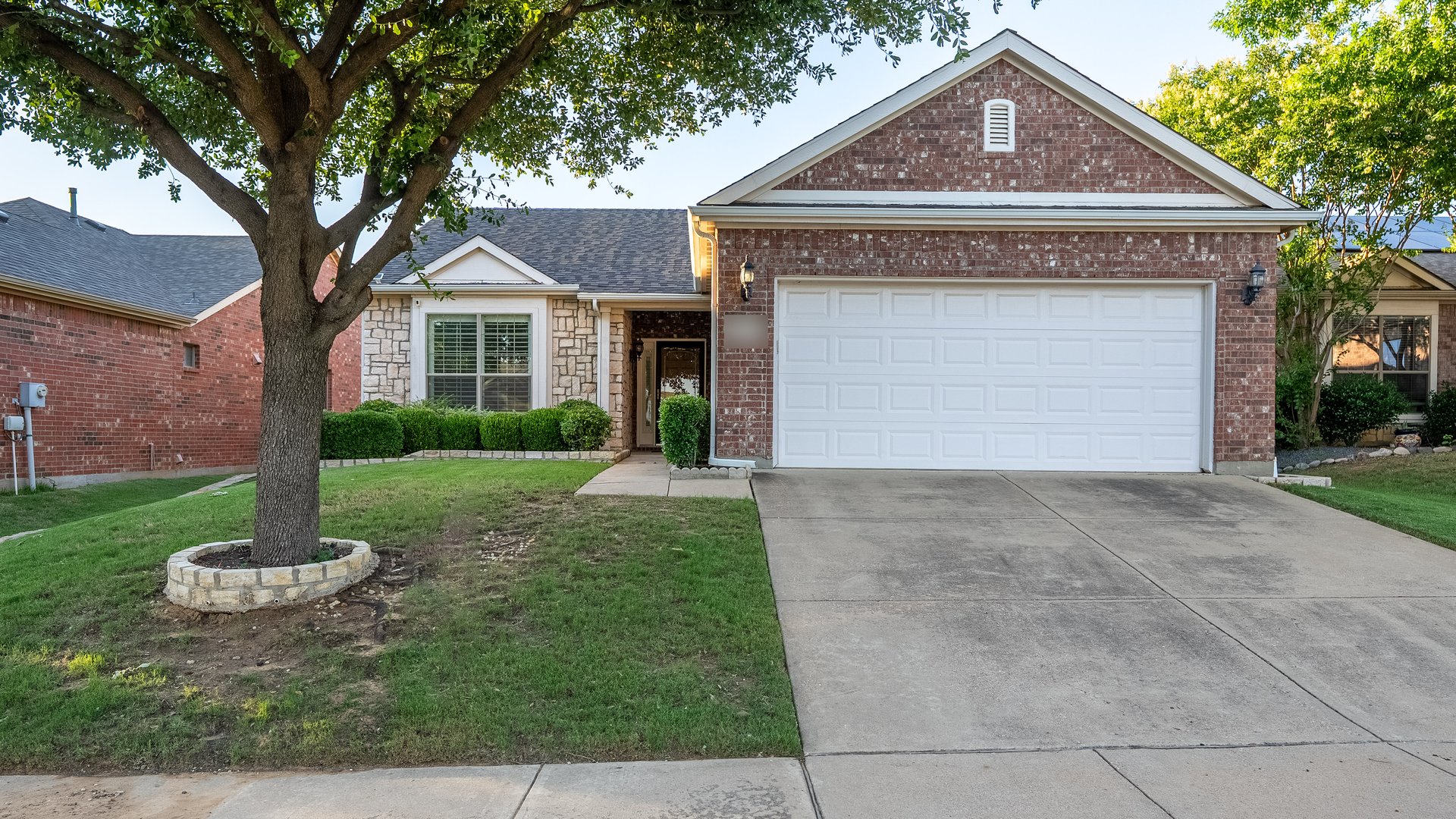
Should you get a pre-listing inspection before you sell your Denton County home? For many sellers, yes: for a few hundred dollars, you find out what a buyer's inspector will find before you are under contract, while you still have time to fix it, price around it or get bids. It makes the most sense on older homes and homes with a roof or HVAC system near the end of its life. The trade-off is that anything you learn becomes something you know, and Texas sellers have to disclose what they know.
What a pre-listing inspection actually is
It is the same inspection a buyer would order, just done earlier and paid for by you. A licensed Texas inspector walks the home, checks the roof, foundation, electrical, plumbing, heating and cooling, and appliances, and writes up what is not working the way it should.
Texas inspectors follow the Texas Real Estate Commission's Standards of Practice, and TREC publishes a standard property inspection report form (REI 7-6) for their written reports. You can check any inspector's license on the TREC license holder search before you book.
Why a pre-listing inspection can help you sell
- No surprises in the option period. Under paragraph 5B of the Texas resale contract (TREC No. 20-19), a buyer who paid an option fee can walk away for any reason until 5:00 p.m. on the last day of the option period. That is when most inspection-driven renegotiations happen. Knowing the issues ahead of time takes a lot of the drama out of those few days.
- Time to get real bids. When a buyer's report lands, you usually have only a few days to respond. Doing it early lets you get two or three quotes instead of taking whatever number you can get fast.
- Repairs on your terms. If you agree to repairs in the contract, paragraph 7F says they must be done by licensed people (or people commercially engaged in that trade when no license is required), with paperwork showing the scope of work and payment. Doing the work before listing lets you choose the contractor and the timing.
- Pricing that holds up. If the air conditioner is near the end of its life, or the inspection turns up a repair that is needed, it is better to know that when we set your price than to discover it when a buyer asks for a big credit.
Wondering what your home could sell for, as is or after a few repairs? See what homes like yours have actually sold for. Get your free home value report.
The downsides to weigh
- The cost. Super Inspector, a DFW inspection company many of our clients use, lists its standard package starting at $499 for homes under 2,000 square feet, with a termite inspection included (pricing page checked November 22, 2026). Their price, like most, depends on square footage, age, foundation type and add-ons, so get a written quote for your home.
- What you learn, you disclose. More on this below.
- The buyer will still inspect. Paragraph 7A of the contract lets the buyer use inspectors of their own choosing who are licensed by TREC. A different inspector may flag different things, so your report does not end the conversation.
What you have to disclose after a pre-listing inspection

Most Texas sellers of a previously lived-in home fill out the Seller's Disclosure Notice (TREC No. 55-1). Right at the top, it says it is a disclosure of the seller's knowledge of the property's condition. It asks about known defects in things like the roof, foundation, plumbing and electrical systems, and about previous structural or roof repairs.
That is the catch. If your inspector finds a leak under the kitchen sink or a failing breaker, it is now something you know. You can fix it, disclose it, or both, but you should not leave it off. Fixed items are often the easiest to explain: "repaired in December, receipt attached" reads much better to a buyer than a surprise in their own report.
We walked through the whole form in what Texas sellers have to disclose. If you are unsure how to answer a specific question, a real estate attorney is the right person to ask.
Full inspection or just the big items?
You do not have to order everything. Some sellers get a full inspection. Others just check the items that cause the biggest negotiations:
- Roof: a roofer's look or a roof-focused inspection, especially after hail seasons.
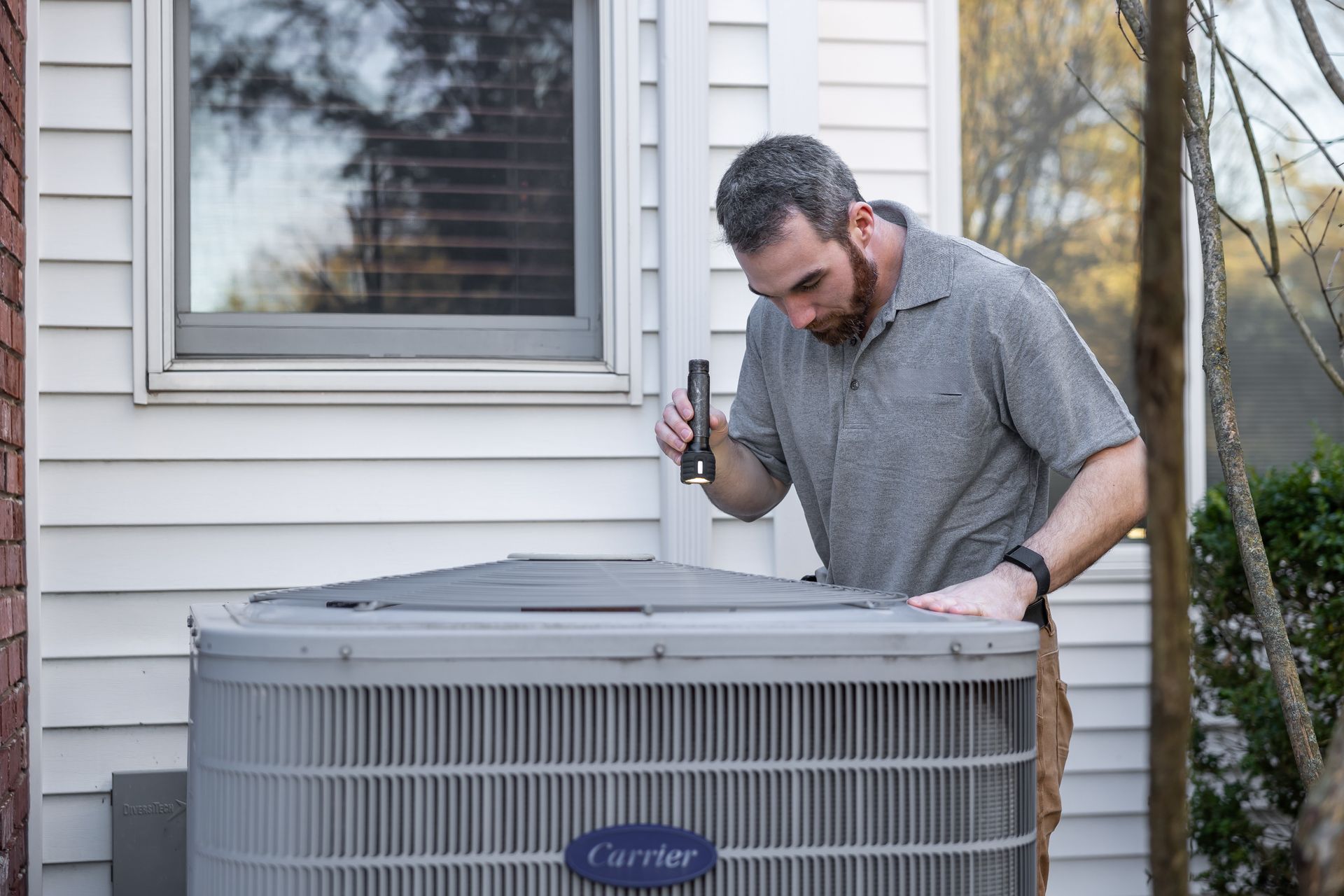
- Heating and cooling: a service call from an HVAC company, with the receipt saved for buyers.
- Foundation: an engineer's or foundation company's evaluation if you see cracks or sticking doors.
- Insurance history: a CLUE report showing claims on the home for the past seven years. The Texas Department of Insurance says you can get a free copy each year from LexisNexis, and that it can help buyers understand the home's condition. Buyers are asking about roofs and insurance more than ever (see our post on when buyers should shop for home insurance).
What if the inspection finds something big?
You have three basic choices: fix it before listing, price the home to reflect it, or offer a credit. Which is best depends on the repair, your timeline and your budget. We compare these trade-offs, along with other paths like selling to an investor, when we compare all of our selling options in Denton County.
It also helps to know what happens if a buyer asks for more later. Under paragraph 7E, if a lender requires repairs and nobody agrees to pay, the contract can end, and a buyer can terminate if those lender-required repairs cost more than 5% of the sales price. We cover the rest of that negotiation in do I have to make repairs after the buyer's inspection.
What this looks like in Corinth and Oakmont
As of November 22, 2026, there were about 129 single-family homes for sale in Corinth, with an average list price near $500,000, based on our site's MLS search. Many of the resale homes on that list were built between the 1980s and early 2000s, including homes in Oakmont Country Club Estates. Homes that age may already be on a second roof or a replacement air conditioner, and buyers tend to ask.
With that many choices, buyers lean toward homes that feel cared for. A short list of recent repairs with receipts, plus an honest disclosure, can set your home apart. You can watch what is selling on our Corinth market report and Oakmont market report.
Frequently asked questions
How much does a pre-listing inspection cost?
In DFW, Super Inspector, an inspection company many of our clients use, lists its standard package starting at $499 for homes under 2,000 square feet, termite inspection included (checked November 22, 2026). Larger and older homes and add-ons like a sewer scope cost more, so get a written quote.
Do I have to disclose what a pre-listing inspection finds in Texas?
The Texas Seller's Disclosure Notice is based on what you know. Once a report tells you about a defect, you know about it, so plan on disclosing it, or fixing it and disclosing the repair. For advice on your specific situation, talk with a real estate attorney.
Will buyers still get their own inspection?
Usually, yes. The Texas resale contract (TREC No. 20-19) lets buyers use TREC-licensed inspectors they choose. Your report does not replace theirs. It just means fewer surprises when theirs comes back.
Is a pre-listing inspection worth it on a newer home?
Often not. If your home is only a few years old and has no known issues, a quick roof and HVAC check may be enough. The full inspection pays off most on older homes, homes with deferred maintenance, and sellers who cannot be around for repairs during the option period.
Getting ready to sell this winter or spring? Start with your number. See what homes like yours have actually sold for, then we can walk your home with you and talk through what to fix and what to leave alone. Get your free home value report.
Have a question you want us to answer? Send it to us.
Get our newest answers in your inbox. Every Wednesday, The Heartbeat brings you our latest blog posts, plus North Texas market numbers, a home tip and local events. Subscribe free.
Photo credits: top photo of a Greens of Oakmont home from the Airheart Realty Team; air conditioner inspection photo by Kathleen Austin Kuhn via Pexels; report photo by Marc Pell on Unsplash. This post explains how things generally work in Texas and is not legal, tax or lending advice.