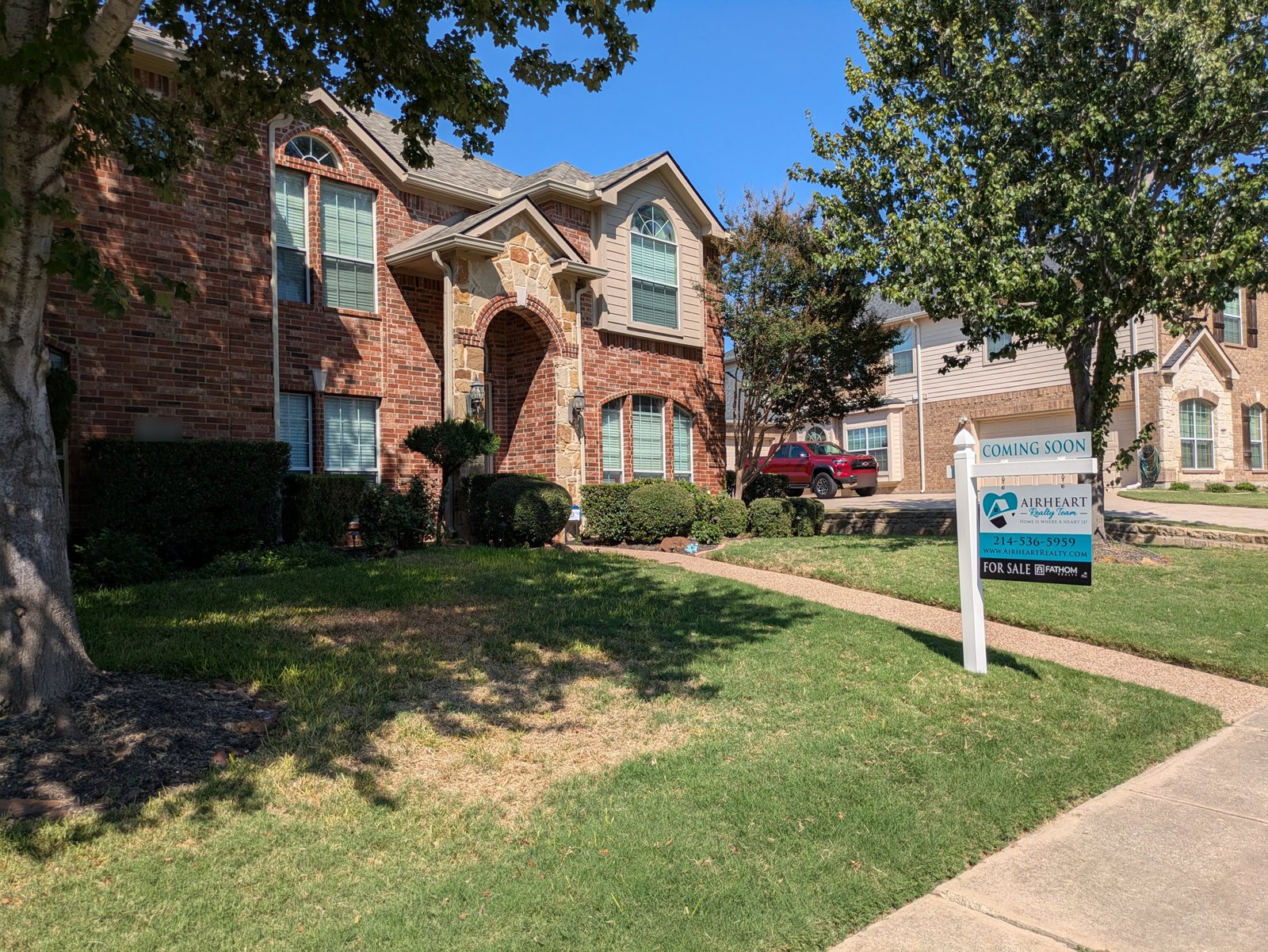
Most Texas home sellers have to fill out the Texas Seller's Disclosure Notice and tell the buyer about the condition of the home: known defects, past repairs, flooding, and more. The form is set by the Texas Real Estate Commission (TREC), and it got longer in 2026 with new questions about insurance, private roads, aboveground storage tanks and conservation easements. Selling "as is" does not take away your duty to share problems you know about.
If you are getting ready to list in Corinth or anywhere in Denton County this fall, here is how the form works, what changed, and how to fill it out with confidence.
Who has to give a Seller's Disclosure Notice in Texas?
Under Texas Property Code Section 5.008, a seller of a home with one dwelling unit has to give the buyer a written disclosure of the property's condition. Most sellers use TREC's form, the Seller's Disclosure Notice (TREC No. 55-1).
The law lists some exceptions. The most common ones are:
- Sales by an executor or trustee handling an estate or trust
- Foreclosure sales and sales by a lender that took the home back
- Sales between co-owners, between spouses in a divorce, or to a spouse, parent, child or grandchild
- Brand-new homes that have never been lived in
- Sales to or from a government entity
Even when the form is not required, Texas law generally does not let a seller hide a problem they know about. If you think you fall under an exception, it is worth a quick conversation with a real estate attorney.
When do you have to give it to the buyer?
The notice has to be delivered on or before the day the contract becomes effective. In practice, we have it ready when your home goes on the market so buyers can read it before they write an offer.
If a buyer signs a contract without it, the law gives that buyer seven days after they receive the notice to cancel for any reason. That is a risk you do not want hanging over your sale, so getting it done early matters.
What the Texas Seller's Disclosure Notice asks about

The form walks through the house room by room and system by system. You answer yes, no, or unknown, and explain any yes answers. The main areas are:
- Items in the home and whether they work: appliances, HVAC, water heater, smoke detectors, pool equipment, sprinklers and more.
- Known defects in the foundation, roof, walls, plumbing, electrical and other systems.
- Conditions you are aware of, such as past termite damage, water damage, previous foundation repairs, or a prior fire.
- Flooding: whether the home has flooded, sits in a floodplain or near a reservoir, has flood insurance, or has had a flood claim or federal flood assistance.
- Other information, such as room additions or repairs done without permits, owners' association fees and contact details, lawsuits affecting the property, and common areas.
A key point: you only disclose what you actually know. "Unknown" is an honest answer when it is true. But if you know about a problem, it belongs on the form, even if it is not one of the listed questions.
Getting ready to list? Before you fill out a single form, see what homes like yours have actually sold for. Get your free home value report.
What changed in the 2026 Seller's Disclosure Notice
TREC adopted an updated version of the form in May 2026, after the state's Sunset Advisory Commission asked that buyers get more information that could affect a home's value. According to Texas REALTORS® and Independence Title, the new questions cover:
- Insurance on the property, including availability of coverage
- Private roads on or next to the property that the buyer would have to help maintain
- Aboveground storage tanks
- Conservation easements on the property
There is also a separate new form, the Seller's Disclosure About Groundwater and Surface Water Rights, and the TREC contracts now ask whether the buyer has received it. For most homes on a city lot it is a quick step, but it is one more piece of paper to plan for.
Does selling "as is" mean you don't have to disclose?
No. An as-is sale means you are not promising to make repairs. It does not let you skip telling the buyer about problems you know about. As former TREC general counsel Kerri Lewis explains in a Texas Real Estate Research Center article, sellers must disclose known material defects whether or not the form lists them, and leaving them out can lead to a lawsuit months or years after closing.
The upside of full disclosure is real. When buyers know about an issue up front, they price it into their offer. That usually means fewer surprises, and fewer hard renegotiations, during the Texas option period.
How to fill it out with confidence

- Gather your records first. Repair invoices, warranties, foundation reports, roof receipts, permits and HVAC service records. Dates and company names help buyers trust the work.
- Pull your insurance claim history. The Texas Department of Insurance explains how to get a free CLUE report each year, which shows claims on the home for the past seven years. It helps you answer the new insurance questions accurately.
- Fill it out yourself. The form is the seller's statement. We can explain what a question means, but the answers need to come from you.
- Explain, don't just check boxes. "Foundation repaired in 2019, transferable warranty available" reads much better than a bare "yes."
- Update it if something changes. If a pipe leaks after you list, tell your agent so the buyer gets the new information.
What this looks like in Corinth and Oakmont
North Texas clay soil expands when wet and shrinks when dry, so foundation repairs are common across Denton County. In established neighborhoods like Oakmont Country Club Estates, we often see homes with past foundation work, roof replacements after hail, and updated HVAC systems. None of that scares buyers away when it is documented. What hurts a sale is a buyer's inspector finding a repair the seller never mentioned.
If your home is in an owners' association, have the association's name, contact and dues amount handy. Those go on the form, and the buyer will also need them for the HOA addendum. You can also check recent sales on our Corinth market report to see how homes are moving this fall.
Disclosure is just one part of planning your sale. Our guide to the cost to sell a house in Denton County covers the numbers side.
Frequently asked questions
Do I have to disclose a foundation repair when selling in Texas?
Yes. The Seller's Disclosure Notice asks about previous foundation repairs, and Texas law expects sellers to disclose known defects and repairs. Share the repair records and any transferable warranty.
What happens if I give the buyer the disclosure late?
If the buyer signs a contract before receiving the notice, Texas Property Code Section 5.008 lets the buyer cancel for any reason within seven days after they receive it.
Does selling a house as-is in Texas mean no disclosure?
No. As-is means the seller is not agreeing to make repairs. A seller still has to disclose known material defects to the buyer.
What is new on the 2026 Texas Seller's Disclosure Notice?
TREC added questions about insurance, private roads the buyer would help maintain, aboveground storage tanks and conservation easements. A separate groundwater and surface water rights disclosure was also added.
This article explains how the process generally works and is not legal advice. For questions about your specific situation, talk with a Texas real estate attorney.
Thinking about selling in Denton County? See what homes like yours have actually sold for, then let us help you prepare a clean, complete disclosure. Get your free home value report.
Have a question you want us to answer? Send it to us.
Photo credits: Hero photo from the Airheart Realty Team. Disclosure paperwork photo by RDNE Stock project and receipts photo by Karola G, via Pexels.