Yes, your over 65 tax ceiling can move with you when you sell your Denton County home, but not as a dollar amount. What moves is the percentage you were saving on school taxes, and only if you ask your appraisal district for a transfer certificate and file it with your new homestead application. Closing does not do this step for you.
We get this question a lot from longtime homeowners who are thinking about downsizing, moving closer to family, or trading a two-story for something on one level. Here is how it works, in plain English.
What the over 65 tax ceiling actually is
When you turn 65 and have a homestead exemption in Texas, two things happen on your school taxes:
- A bigger exemption. Since Texas voters approved Propositions 11 and 13 on November 4, 2025, school districts exempt $140,000 of a homestead's value for everyone, plus another $60,000 for owners 65 or older or disabled. That is up to $200,000 off your home's taxable value for school taxes, starting with the 2025 tax year.
- A tax ceiling, often called the "freeze." Your school tax bill on that home is capped at what you paid in the year you qualified. According to the Texas Comptroller, the bill can go below the ceiling but not above it, as long as you own and live in the home.
Two details people miss. First, the ceiling can go up if you add on to the home, such as a new room, garage or pool; normal repairs do not count. Second, the ceiling is on tax dollars, not on your home's value.
What happens to the ceiling when you sell
The dollar amount stays with the old house's history. It does not follow you. What Texas lets you carry is the percentage of the full school tax you were paying.
Here is a simple, made-up example:
- On your current home, the school tax without the ceiling would be $6,000. Because of your ceiling, you actually pay $3,000. You are paying 50%.
- You buy a smaller home where the school tax without a ceiling would be $4,000 in your first year there.
- Your new school tax ceiling is 50% of $4,000, or $2,000.
That math works the other way too. If you move up to a pricier home, 50% of a bigger number can still be more than you pay today.
A few more rules from the Comptroller and the Tax Code:
- School ceilings transfer anywhere in Texas. Move from Corinth to Frisco or to the Hill Country and the school percentage can come with you.
- County, city and junior college ceilings are local options. They only exist where that taxing unit has adopted one, and they only transfer if your new home is in the same county, city or college district.
- Leaving Texas ends it. There is nothing to transfer to another state.
Thinking about downsizing? Before you decide, see what homes like yours have actually sold for, so you can weigh your equity against your new tax picture. Get your free home value report.
The step closing will not handle for you
This is the part that trips people up. Your title company closes the sale and prorates this year's taxes, but it does not move your exemptions or your ceiling. You do that yourself, in three steps:
- Ask for a tax ceiling certificate. Contact the appraisal district where you have the ceiling now. For a Denton County home, that is the Denton Central Appraisal District. The certificate shows the numbers needed to figure your percentage. The Comptroller's form for the school version is the School Tax Ceiling Certificate, Form 50-272.
- Apply for exemptions on the new home. After you move in, file a Residence Homestead Exemption Application (Form 50-114) with the appraisal district for the new home. Check the age 65 box, list your previous address, and indicate that you are transferring a tax limitation. Your Texas driver's license or ID should show the new address.
- Attach the certificate. Give the certificate to the new appraisal district with your application. If you are staying in Denton County, it is the same office, but you still need to ask.
If you miss the usual April 30 deadline, Texas generally allows a late homestead application up to two years after the tax delinquency date.

The year you move
Here is how the year of the move generally works:
- Your old home's exemptions usually ride through December 31. A homestead exemption generally stays on the home you sold for the rest of that tax year, and the buyer typically files for their own the next year.
- Taxes are split at closing. Your share of this year's taxes is prorated to the closing date, and that estimate reflects the exemptions on the home. We explain how that works in who pays property taxes when you sell in Denton County.
- Only one home can carry the age 65 exemption for a given year. How your old and new homes are handled in the move year depends on your dates, so ask DCAD exactly how your move-in date affects this year's bills before you close.
Every situation is a little different, so check your plan with a tax professional.
What this looks like in Corinth and Oakmont
Here in Denton County, two local ceilings matter a lot when you move:
- Denton County adopted its own tax ceiling for owners 65 or older and disabled owners in May 2019, starting with 2020 taxes, according to the Denton Record-Chronicle. Stay in Denton County and that county ceiling percentage can transfer. Move to Collin or Tarrant County and it does not, though your school ceiling still can.
- City of Denton voters approved a city tax freeze for these owners in 2017, per a City of Denton staff report.
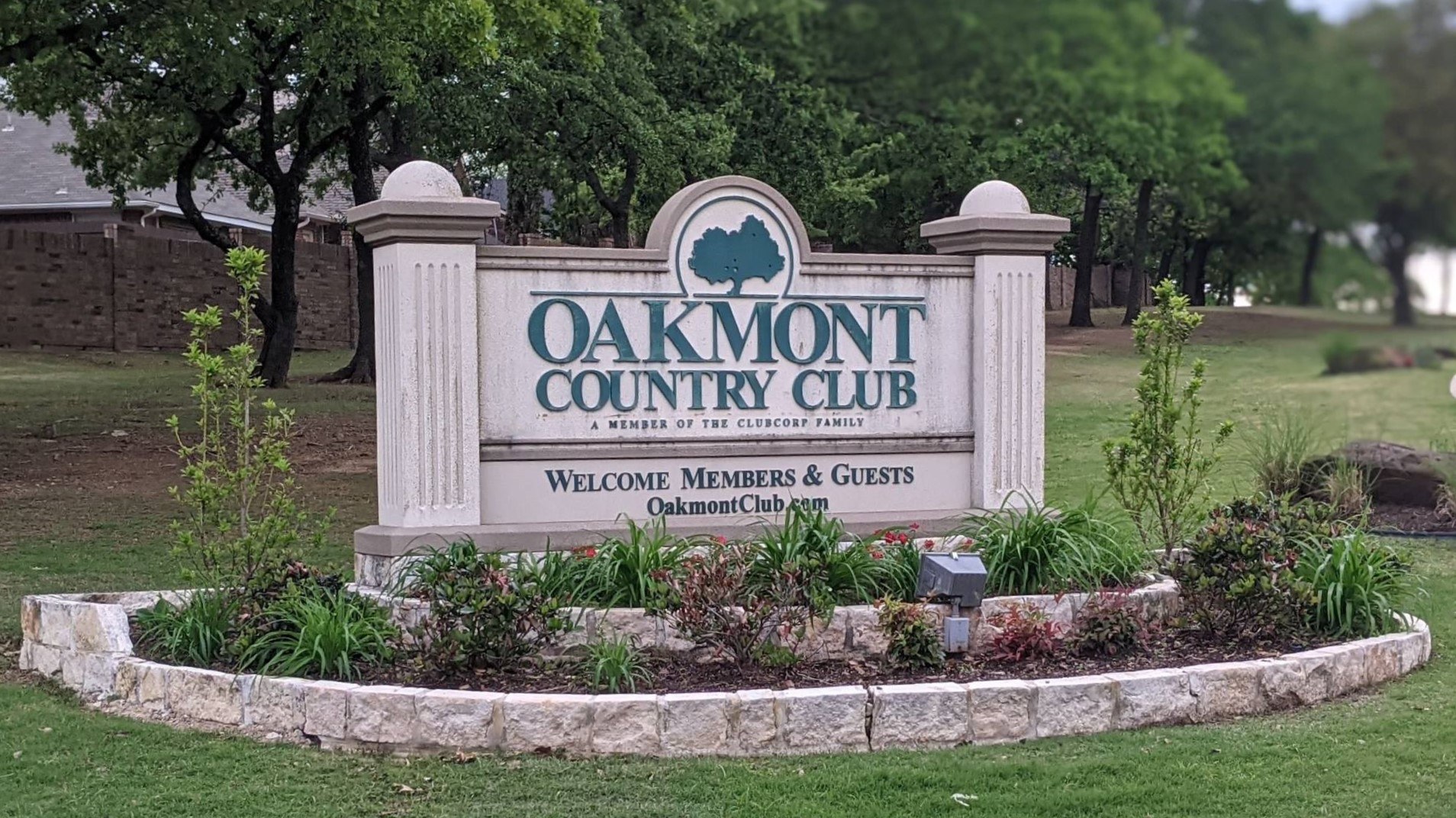
That second point matters in our own neighborhood. Oakmont Country Club Estates sits in both Corinth and Denton city limits. A move from a Denton-side street to a Corinth-side street, or the other way, crosses a city line, so a city ceiling would not come along even though you barely moved. Your school and county percentages are a separate question.
The easiest way to see which ceilings you have today is to look up your property on the DCAD website and check the exemptions and taxing units listed for your account. When you are ready to plan the sale itself, you can compare all of our selling options in Denton County, including buying your next home before you sell.
Frequently asked questions
Do I lose my over 65 tax ceiling if I sell my house in Texas?
You lose the dollar ceiling on the old house, but you can carry the percentage of school taxes you were paying to a new Texas homestead. You need a tax ceiling certificate from your old appraisal district and a new homestead application.
Does my tax ceiling transfer if I move to another county?
Your school tax ceiling percentage can transfer anywhere in Texas. County, city and junior college ceilings only transfer if the new home is in the same county, city or college district and that unit has adopted a ceiling.
Will the title company transfer my exemptions at closing?
No. The title company prorates this year's taxes, but you must request the ceiling certificate and file the homestead application for your new home yourself.
Can my tax ceiling go up?
Yes. It can rise if you add improvements such as a room, garage or pool, but not for normal repairs. After a move, your new ceiling is based on the new home's taxes, so a more expensive home can mean a higher ceiling.
Ready to plan your next move?
Downsizing is a big decision, and the tax piece is only one part of it. Get your free home value report to see what homes like yours have actually sold for, then let us help you map out the timing. You can also check the latest numbers in our Corinth market report.
Have a question you want us to answer? Send it to us.
This post is general information, not tax or legal advice. Exemption rules and amounts can change; confirm your situation with the Denton Central Appraisal District and a tax professional. Photo credits: hero image and moving boxes photo from the Airheart Realty Team.
Get our newest answers in your inbox. Every Wednesday, The Heartbeat brings you our latest blog posts, plus North Texas market numbers, a home tip and local events. Subscribe free.