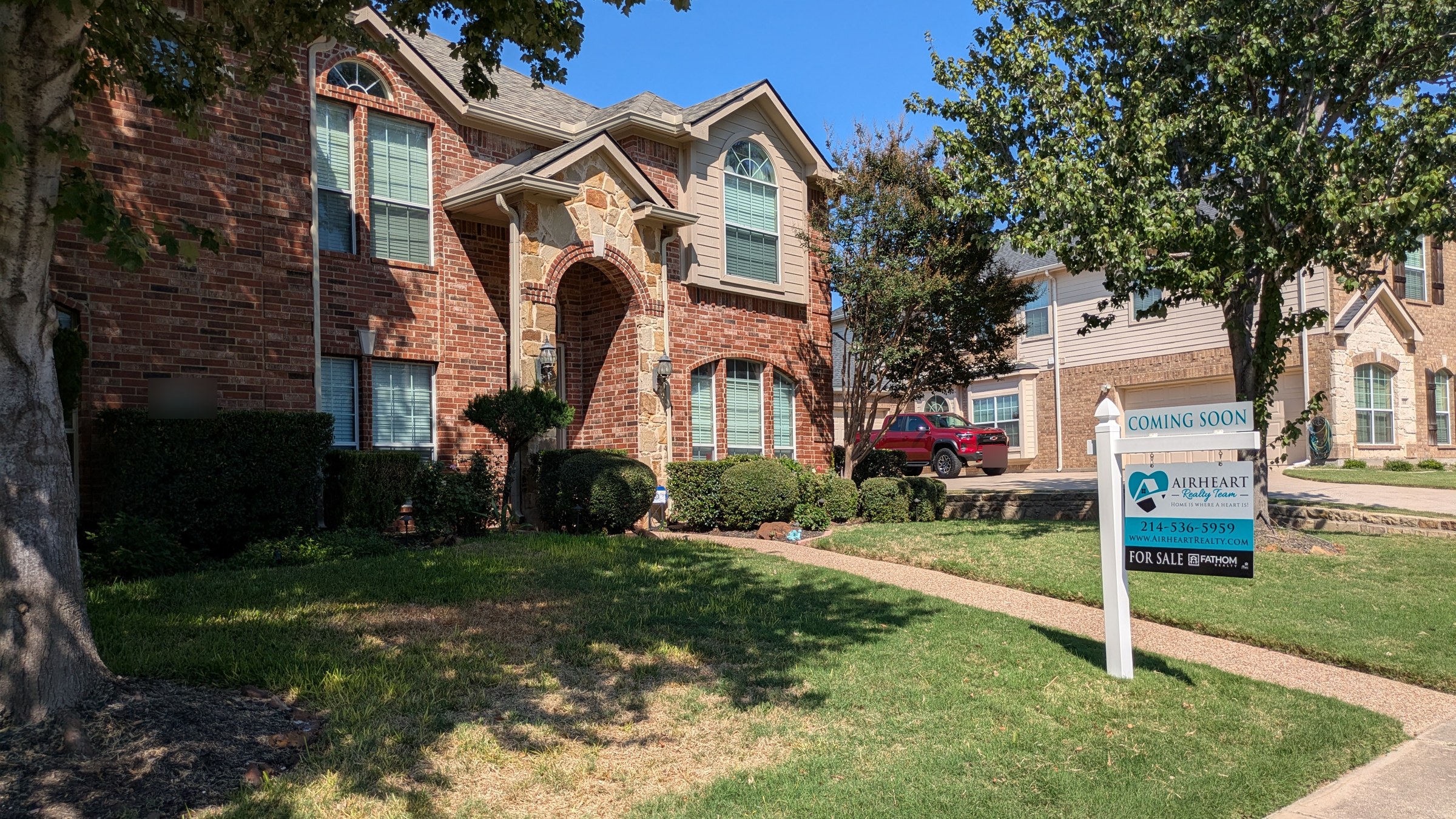
If the appraisal comes in low when you sell your home in Texas, the sale does not automatically fall apart and you do not automatically have to lower your price. What happens next depends mostly on two things: the appraisal terms in your contract and how the buyer is paying. For most Denton County sellers, a low appraisal turns into a negotiation over who covers the gap, and you usually have more options than it feels like in the moment.
Here is how it works, what your choices are, and how to lower the odds of it happening in the first place.
Why a low appraisal matters to a seller
When a buyer uses a mortgage, the lender orders an appraisal to make sure the home is worth what it is lending against. Lenders generally base the loan on the lower of the sales price or the appraised value. So if the appraisal comes in under your contract price, the buyer's loan can shrink, and somebody has to make up the difference.
A quick example with round numbers:
- Contract price: $450,000. The buyer planned to put 10% down ($45,000) and borrow $405,000.
- Appraisal: $435,000. At 90% of the appraised value, the loan drops to about $391,500.
- To close at $450,000, the buyer now needs about $58,500 in cash instead of $45,000. That extra $13,500 is the "appraisal gap" problem.
Every loan is different, so the buyer's lender will run the real numbers. But that is the basic math behind every low appraisal conversation.
What your Texas contract says about a low appraisal
Most financed sales in Texas use the TREC Third Party Financing Addendum (TREC No. 40-11). Its "Property Approval" paragraph lets the buyer terminate and get the earnest money back if the lender decides the property does not meet its underwriting requirements, and the form lists appraisal as one of those. The buyer has to give notice, with the lender's written reasons, no later than 3 days before closing.
Many contracts also include the Addendum Concerning Right to Terminate Due to Lender's Appraisal (TREC No. 49-1). It gives the parties three choices:
- Waiver. The buyer gives up the right to terminate over a low appraisal. If the loan is reduced, the cash portion of the price goes up by the same amount, so the buyer brings more money.
- Partial waiver. Same idea, but only down to a dollar figure the parties fill in. If the appraisal comes in below that figure, the buyer's right to terminate comes back.
- Additional right to terminate. The buyer can terminate within a set number of days if the appraisal is below a stated amount, even if the lender would still make the loan. The buyer gets the earnest money back.
The first two lean toward the seller and the third leans toward the buyer. Which box was checked, and the dollar figures written in, will shape your next move more than anything else.
FHA and VA buyers are different
The appraisal addendum cannot be used with FHA or VA loans. Federal rules require an amendatory clause that lets those buyers walk away without losing earnest money if the home appraises below the price, and that right cannot be waived. They can still choose to close and bring extra cash. Cash buyers, on the other hand, usually have no lender appraisal at all unless they order one themselves.
Want to know where your price will land before an appraiser ever walks in? Get your free home value report and see what homes like yours have actually sold for. Then we will walk you through the numbers in person.
Your options when the appraisal comes in low
Once the appraisal is in, these are the usual paths. None of them is right every time.
- Hold your price. If the buyer waived the appraisal right, or has the cash to cover the gap, you may be able to close as written.
- Lower the price to the appraised value. This keeps the deal moving and the buyer's loan on track. It makes the most sense when the appraisal lines up with recent sales and you would likely face the same number with the next buyer.
- Split the difference. You lower the price part of the way and the buyer brings some extra cash. This is the most common middle ground we see.
- Ask for a second look. The buyer, not the seller, can ask the lender for a "reconsideration of value." Under rules adopted by Fannie Mae, Freddie Mac and HUD, borrowers get one request per appraisal, it must be made before closing, and it can include up to five better comparable sales. Your agent can pull those sales and hand them to the buyer's agent.
- Let the buyer go and relist. If the buyer has the right to terminate and you believe the value is there, you can return to the market. Just remember the next buyer's lender may order an appraisal too.
Before you decide, it helps to see each path side by side with your bottom line. You can compare all of our selling options in Denton County, from a traditional listing to a cash offer.
How to lower the odds of a low appraisal

- Price from sold homes, not hopeful ones. Appraisers look mostly at recent closed sales near you. A list price built from those sales is much more likely to appraise.
- Hand over an upgrade list. Write down what you have improved and when (roof, HVAC, water heater, flooring, kitchen) with receipts if you have them. Your agent can share it with the appraiser.
- Make the visit easy. Clear access to the attic, garage, utility areas and every room. A clean, well-lit home does not change the comps, but it helps the appraiser see what is there.
- Negotiate the appraisal terms up front. In a multiple-offer situation, an offer with a waiver or partial waiver can be worth more than a slightly higher price with no protection.
- Know the buyer's cushion. Ask how much cash the buyer has beyond the down payment. With an FHA or VA buyer, some sellers ask for a larger option fee to balance that walk-away right.
What this looks like in Corinth and Oakmont
As of November 12, 2026, our site's MLS search shows about 139 single-family homes for sale in Corinth, priced from about $270,000 to about $2.5 million, with an average list price near $509,000 and about $197 per square foot. That range includes homes built in the 1960s right alongside new construction finished this year.
That mix is exactly why appraisals here can surprise people. Across Oakmont Country Club Estates' 14 neighborhoods, homes differ in age, size, lot and updates, so two houses on the same street can support very different values. Golf course lots, pools and big remodels need sold examples that truly match. The Corinth market report is a good place to watch what is listing and going under contract.
Rates matter too. Freddie Mac's survey put the average 30-year fixed rate at 7.18% as of November 5, 2026. At that level, many buyers are stretching already and have less spare cash to cover a gap, which makes realistic pricing even more important this fall.
This is general information about how Texas contracts and appraisals usually work, not legal or lending advice. Your contract, your buyer's loan and your lender's rules control. Talk with a real estate attorney or the buyer's lender about your specific situation.
Frequently asked questions
Can the buyer back out if the appraisal is low in Texas?
Often, yes. Under the Third Party Financing Addendum, a buyer can terminate and get the earnest money back if the lender says the property does not meet its requirements, including appraisal, with notice at least 3 days before closing. A waiver in the appraisal addendum can remove or limit that right, but FHA and VA buyers keep it.
Do I have to lower my price if the appraisal comes in low?
No. You can hold your price, lower it, or meet the buyer partway. If the buyer cannot cover the gap and still has a right to terminate, they may walk away, so your choice is really about which outcome works better for you.
Can a seller challenge a low appraisal?
Not directly, because the appraisal belongs to the buyer's lender. The buyer can request one reconsideration of value per appraisal before closing, with up to five better comparable sales. Your agent can gather those sales and send them to the buyer's agent.
Does a cash buyer need an appraisal?
Usually not. With no lender involved, there is no lender appraisal unless the buyer orders one. That is one reason some sellers weigh cash offers more heavily when values are hard to pin down.
Sources
- TREC Third Party Financing Addendum, TREC No. 40-11
- TREC Addendum Concerning Right to Terminate Due to Lender's Appraisal, TREC No. 49-1
- TREC: New process for borrowers who want their appraisal values reconsidered
- MetroTex Association of REALTORS: Using the appraisal addendum
- Freddie Mac Primary Mortgage Market Survey
Selling this fall or next spring? Get your free home value report to see what homes like yours have actually sold for, so your price is ready for the appraiser.
Have a question you want us to answer? Send it to us.
Photo credits: photos from the Airheart Realty Team.
Get our newest answers in your inbox. Every Wednesday, The Heartbeat brings you our latest blog posts, plus North Texas market numbers, a home tip and local events. Subscribe free.