



If you bought a home in Denton County this year, your first property tax bill will arrive this fall. Denton County property tax bills are mailed in October and are due by January 31. The bill may still show the seller's homestead exemption, and if your lender pays it from escrow, your monthly payment could change afterward. Here is what to expect, and the one form every new owner should file.
How your first Denton County property tax bill works
Texas property taxes are paid once a year, for the year that just went by. That is why tax season feels backward to a lot of new owners.
- Bills go out in October. The Denton County Tax Assessor-Collector usually mails one statement that covers the county plus the cities, school districts and most special districts it collects for.
- They are due on receipt, but not late until February. Payments postmarked or made online by January 31 are on time. After that, penalty and interest start at 7% in February and climb to 18% by July.
- Whoever owns the home gets the bill. The county says the person who owns or acquires property during the tax year is liable for that year's tax. So even if you closed in August, the full 2026 bill comes to you.
Don't worry about paying for months you didn't own the home. The standard Texas contract prorates the current year's taxes at closing: the seller usually credits you for January 1 through your closing date, and then you or your lender pay the whole bill. Look for that credit on your closing statement.
Source: Denton County Tax Office FAQs.
Why the seller's exemption may be on your bill
Exemptions follow the owner on January 1. If you bought after that, the exemption on this year's record belongs to the previous owner. That isn't a mistake. What matters is getting your exemption in place for next year. The Denton Central Appraisal District (DCAD) says a new application is required whenever your homestead changes; the seller's does not carry over to you.
File your homestead exemption now
The homestead exemption is the biggest tax break most Texas homeowners get. Here is what it does, according to the Texas Comptroller:
- $140,000 off your school taxes. School districts must exempt $140,000 of your home's value. On a $450,000 home, that means school taxes are figured on $310,000.
- Another $60,000 if you are 65 or older or disabled. Those owners get both, for $200,000 off school taxes.
- A 10% cap on increases. Starting the year after you first qualify, the appraised value used for your taxes can't rise more than 10% a year, plus the value of anything new you add. That cap comes from Texas Tax Code Section 23.23.
How to file: Once you own the home and live in it, the quickest way is to file online through the Denton Central Appraisal District's exemptions page. Prefer paper? Fill out the Residence Homestead Exemption Application (Form 50-114) and send it to DCAD by email at info@dentoncad.com, by mail or in person at 3911 Morse Street in Denton. Either way, you will generally need a copy of your Texas driver's license or ID showing the new address. The regular deadline is April 30, but there is no reason to wait. Filing now gets you in line for 2027.
Check that it went through. DCAD doesn't send a confirmation. Look up your property on dentoncad.com about 90 days after filing. Missed it in an earlier year? Texas law generally allows a late application up to two years after the taxes became delinquent, and you may be due a refund.
Still shopping for a home? Taxes are a big part of the monthly payment in Denton County, and they vary a lot from one street to the next.
Schedule a free buyer consultation and we'll talk through your budget, timing and the real monthly cost of the homes you like, taxes and escrow included.
Why your mortgage payment might change
Most buyers with a loan pay taxes through escrow. Part of each monthly payment goes into an account, and your servicer pays the bill for you, as the Consumer Financial Protection Bureau explains.
The catch is that your escrow amount was set at closing using an estimate, often based on last year's bill with the seller's exemptions. Once the real bill arrives, your servicer reviews the account. If there isn't enough money in it, that is called a shortage. You can usually pay it in one lump sum or spread it over the next 12 months, on top of a higher monthly escrow amount.
When your bill arrives, the county suggests writing your loan number on it and sending it to your servicer if they didn't request a copy. Not sure who is paying? Call your lender. Not getting a bill doesn't stop penalties.
Bought new construction? Plan for year two
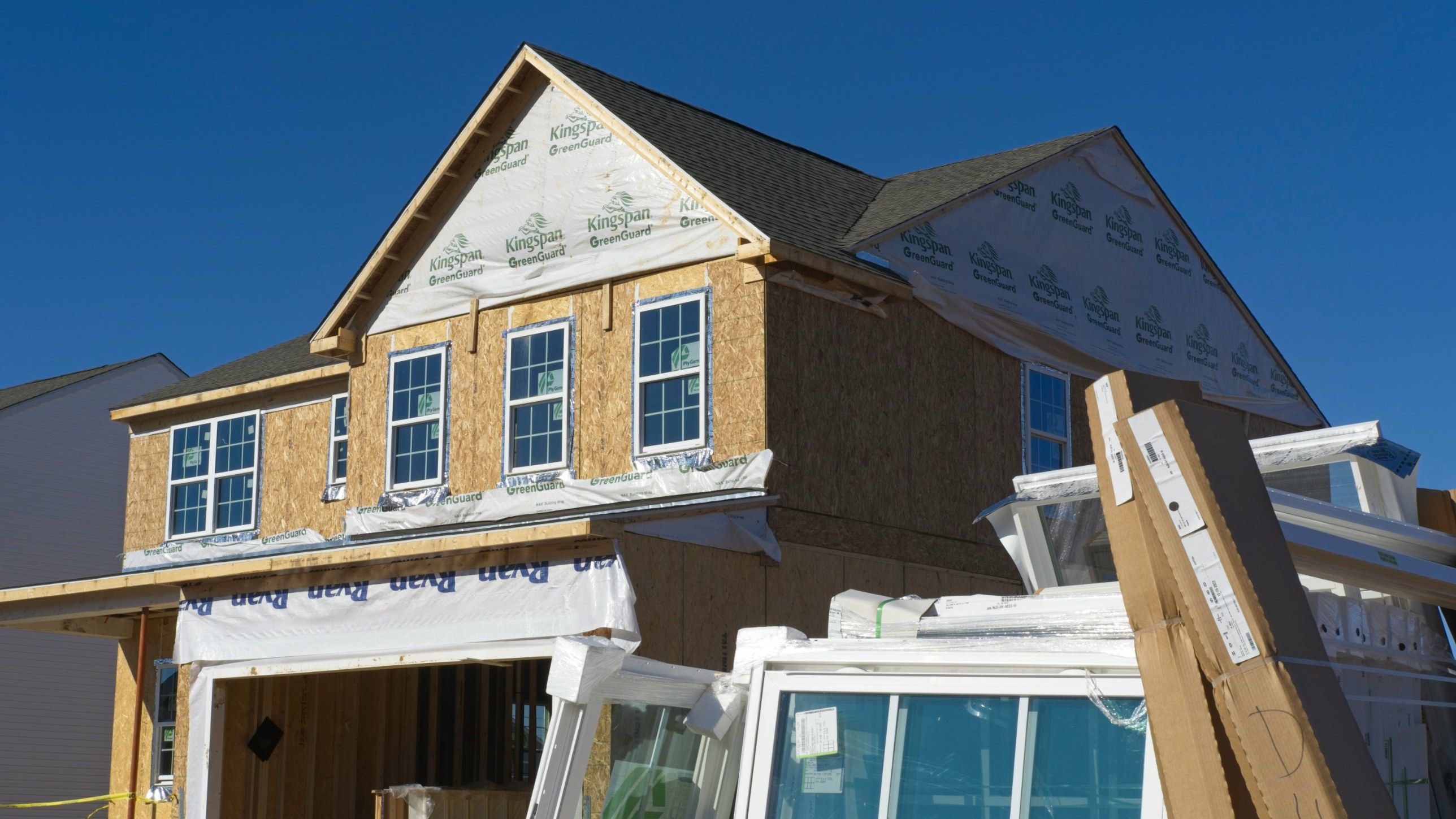
Appraisal districts value property as of January 1. If your new home was still a slab or a frame on January 1, 2026, this year's bill may reflect only the lot or a partly built house. Next year's bill will reflect the finished home, and that jump can be large.
The 10% cap does not stop this, because new construction counts as a new improvement. If no one had a homestead exemption on the property this year, you may be able to get a prorated exemption for the part of 2026 you lived there, so file right away. Many newer communities also carry a MUD or PID, which adds to the bill. Our Denton County new construction guide explains those.
What this looks like in Corinth and Oakmont

- One bill. Corinth contracts with the Denton County Tax Assessor-Collector, so city taxes are on the same October statement.
- Two school districts. Corinth is served by both Denton ISD and Lake Dallas ISD. Check your DCAD record to see which applies to your address.
- Oakmont spans two cities. Oakmont Country Club Estates includes homes in both Corinth and Denton city limits, so neighbors on nearby streets can have different city tax rates.
- The county rate went down again. Denton County adopted a rate of $0.183394 per $100 of value for fiscal year 2026-27, down from $0.185938, according to the county's September 2026 announcement. County officials note the county's share is about 10% of a typical bill.
Curious how values are moving where you live? Our Corinth market report shows current sales.
Frequently asked questions
When do Denton County property tax bills come out?
The Denton County Tax Office mails bills in October. Taxes are due when you receive the bill and become delinquent if not paid by January 31 of the following year.
Can I file for a homestead exemption the same year I buy?
Yes. Once you own the home and live in it as your main residence, you can file with the Denton Central Appraisal District, online or with a paper form. If the seller already had an exemption for this year, yours will usually show up starting next year.
How much does the homestead exemption save?
Texas school districts must exempt $140,000 of a homestead's value from school taxes, plus another $60,000 for owners 65 and older or disabled. Starting the year after you qualify, the appraised value of your homestead also can't rise more than 10% a year, not counting new improvements.
Why did my mortgage payment go up after my first tax bill?
If your lender escrows your taxes, the monthly amount was set using an estimate. When the real bill comes in higher, your servicer's escrow review can show a shortage, which you usually repay over the next year along with a higher monthly escrow amount.
This post explains how property taxes generally work in Denton County as of October 2026. It is not tax or legal advice. For your situation, talk with a tax professional, your lender or the Denton Central Appraisal District.
Buying in Denton County? Schedule a free buyer consultation. We'll talk through your budget, timing and options, including what taxes will really look like on the homes you're considering.
Or start looking now: search Corinth homes for sale or browse all Denton County listings.
Have a question you want us to answer? Send it to us. Your question could be our next post.
Photo credits: header photo by Karolina Grabowska (Kaboompics) on Pexels; courthouse and new-construction photos from the Airheart Realty Team image library.


:format(webp):quality(80)/u.realgeeks.media/airheartrealty/julie-steve-airheart-team-2026.jpg)